
The Allure of Risk and Reward
The thrill of casino gambling lies significantly in the psychological interplay between risk and reward. Players are often drawn to the uncertainty of gambling, where the potential for a large payout can overshadow the immediate risks involved. This phenomenon is partly attributed to the excitement derived from the possibility of winning, which releases dopamine in the brain—a neurotransmitter linked to pleasure and reinforcement. As players experience wins, no matter how small, they are conditioned to continue playing, driven by the hope of replicating past successes. For those interested in diversifying their gambling experiences, there are non gamstop betting sites available that cater to various preferences.
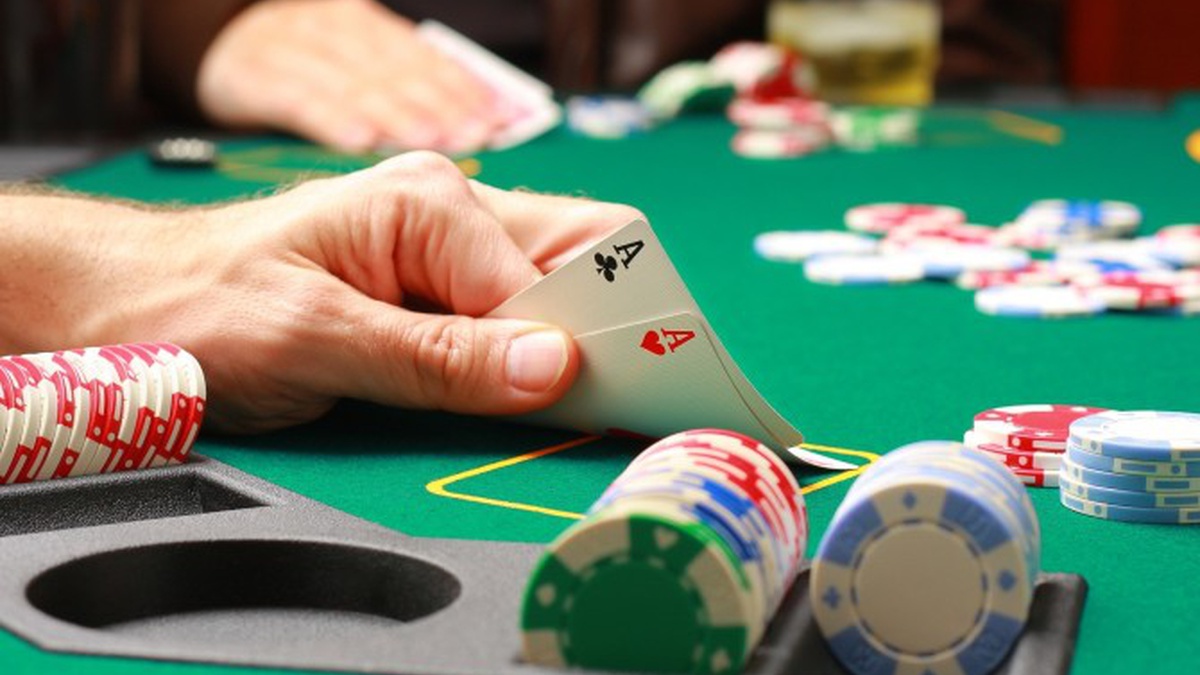
Moreover, the element of chance in gambling creates a unique psychological tension. Players find themselves in a constant state of anticipation, which can be thrilling. This anticipation not only enhances the gambling experience but also contributes to the compulsion some individuals feel to keep playing, even when faced with losses. Understanding this intricate relationship between risk and reward is crucial for recognizing the psychological motivations behind gambling behavior.
The Role of Cognitive Biases
Cognitive biases play a significant role in shaping gambling behavior. One common bias seen in gamblers is the “illusion of control,” where players believe they can influence the outcome of games predominantly based on chance, such as slot machines or roulette. This belief leads players to make irrational decisions, often wagering larger amounts in hopes of altering their luck. Such cognitive distortions can fuel the escalation of gambling habits, as individuals fail to acknowledge the randomness of gaming outcomes.
Additionally, the “gambler’s fallacy” is another cognitive bias that frequently affects players. This fallacy occurs when individuals wrongly believe that past events will influence future outcomes in a random process, leading them to make decisions they wouldn’t typically make. These biases reinforce a cycle of dependency and can contribute to problematic gambling behavior, highlighting the need for awareness and education about these cognitive patterns.
The Impact of Environment on Gambling Behavior
The environment in which gambling takes place can significantly influence player behavior. Casinos are intentionally designed to be alluring and immersive, with bright lights, captivating sounds, and the absence of clocks. This sensory stimulation can create a euphoric experience, making it easy for players to lose track of time and money. The layout of a casino encourages players to move from one game to another, fostering an environment where continuous play is not just welcomed but integral to the gambling experience.
Furthermore, social interactions within the casino setting can amplify gambling behavior. The presence of other players and the excitement in the air can enhance the overall thrill, making it more enticing to participate. Peer influence can further solidify gambling habits, as observations of others winning can create a false sense of optimism and encourage individuals to take risks they might not otherwise consider. Recognizing the environmental factors at play can provide insight into the broader psychological aspects of gambling behavior.
Emotional Factors in Gambling Decisions
Emotional state can significantly impact gambling decisions, often leading individuals to gamble as a form of escapism. Many players turn to casinos during stressful or challenging times, seeking refuge in the excitement of gaming. Unfortunately, this can create a cycle where gambling provides temporary relief but leads to deeper issues, such as financial strain or mental health challenges. Understanding this emotional connection can help in addressing harmful gambling behaviors.
Furthermore, the emotional highs and lows associated with gambling—elation during wins and despair during losses—can compound the psychological draw to gamble. This rollercoaster of emotions serves to reinforce behaviors, making it difficult for some individuals to step away from gambling, even when it no longer brings them joy. Addressing the emotional aspects of gambling is critical for developing a more holistic approach to responsible play and treatment options.

Enhancing Online Security for Responsible Gambling
At Techiestate.com, we prioritize user security and offer a seamless experience for those exploring information about online gambling. We understand that while gambling can be entertaining, it is vital to engage responsibly and safely. Our site is designed to safeguard your connection and deliver information that promotes secure online habits.
By encouraging users to enable cookies and highlighting potential security concerns, we aim to provide peace of mind as you navigate the world of online gambling. Our commitment extends to fostering awareness about responsible gambling practices, ensuring that users can enjoy their experience while making informed decisions to protect their well-being.